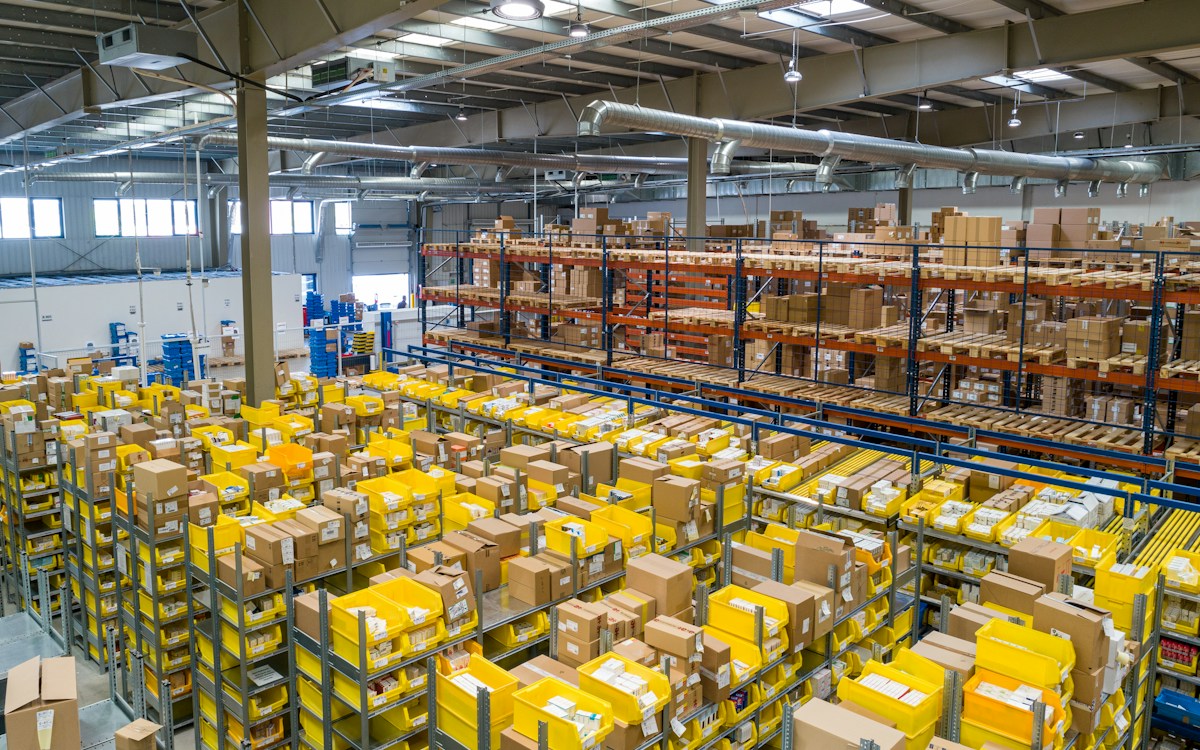
In today's fast-paced business environment, equipment downtime and unexpected breakdowns can lead to serious operational and financial losses. Whether it's machinery, IT infrastructure or essential systems, even a short disruption can impact productivity, customer satisfaction and overall business performance.
Many businesses rely on Annual Maintenance Contracts (AMC) to keep their assets running smoothly. However, managing these schedules manually often leads to missed services, delays and costly repairs. As operations grow, keeping track of multiple maintenance timelines becomes increasingly complex.
This is where automated scheduled maintenance becomes a game-changer. By digitizing and streamlining AMC tracking, businesses can ensure timely servicing, reduce risks and maintain consistent performance without unnecessary stress.
Understanding AMC and Its Importance
An Annual Maintenance Contract is a service agreement between a business and a service provider to ensure regular maintenance of equipment, machinery or systems. These contracts are designed to keep assets in optimal condition and reduce the risk of unexpected failures.
Regular maintenance not only extends the lifespan of equipment but also ensures consistent performance. It helps identify potential issues early, allowing businesses to address them before they become major problems.
However, the true value of an AMC lies in timely execution. Missing even one scheduled service can lead to reduced efficiency, increased wear and tear and higher repair costs.
The Problem with Manual AMC Tracking
Many organizations still rely on spreadsheets, calendar reminders or paper-based systems to manage their AMC schedules. While these methods may work for small operations, they quickly become inefficient as the business grows.
Manual tracking often results in missed deadlines, lack of visibility and difficulty in managing multiple assets across different locations. Human error, miscommunication and overlooked reminders can lead to serious consequences.
In addition, manual systems do not provide real-time updates or centralized data. This makes it harder to monitor performance, track service history or make informed decisions.
What Is Automated Scheduled Maintenance?
Automated scheduled maintenance uses digital tools and software to manage and track AMC activities efficiently. These systems are designed to handle scheduling, notifications, task assignments and record-keeping in one centralized platform.
With automation, maintenance schedules are pre-defined and executed automatically. The system sends alerts and reminders before each service is due, ensuring that nothing is missed.
It also maintains a complete history of all maintenance activities, making it easier to track performance, analyze trends and plan future actions.
Key Benefits of Automation
1. Timely Maintenance Without Failures
Automated systems ensure that maintenance schedules are never missed. Notifications and alerts keep teams informed well in advance, allowing them to plan and execute tasks on time.
This proactive approach helps prevent unexpected issues and keeps operations running smoothly.
2. Reduced Equipment Downtime
Regular and timely maintenance allows businesses to detect potential problems early. By addressing issues before they escalate, companies can significantly reduce the risk of sudden breakdowns.
This ensures uninterrupted operations and improves overall productivity.
3. Cost Savings and Better Budget Control
Emergency repairs are often expensive and can disrupt business operations. Automated maintenance focuses on preventive care, which is more cost-effective in the long run.
By avoiding major breakdowns, businesses can control maintenance expenses and allocate budgets more efficiently.
4. Improved Asset Performance
Well-maintained equipment performs better and lasts longer. Automated systems ensure that every asset receives the required attention at the right time.
This leads to consistent performance, improved efficiency and better return on investment.
5. Centralized Data and Reporting
Automation provides a centralized platform where all maintenance records are stored. This makes it easy to access information, generate reports and analyze data.
Businesses can track service history, monitor asset performance, and identify patterns that help in decision-making.
Enhancing Field Operations Efficiency
Automated maintenance systems play a crucial role in improving field operations. Tasks can be assigned instantly to technicians and they receive real-time updates on their schedules.
This reduces delays, improves coordination, and ensures that maintenance work is completed on time. Technicians can also update task status, upload reports and share feedback directly through the system.
Improved communication between teams leads to better efficiency and faster issue resolution.
Integration with Business Systems
Modern maintenance solutions can integrate seamlessly with other business tools such as inventory management systems, billing software and service management platforms.
This integration creates a unified workflow where maintenance data supports overall business operations. For example, inventory systems can automatically track spare parts usage, while billing systems can generate invoices based on completed services.
Such connectivity improves accuracy, reduces manual work and enhances overall productivity.
Preventing Costly Breakdowns
One of the most significant advantages of automated scheduled maintenance is its ability to prevent major failures.
By identifying and addressing small issues early, businesses can avoid large-scale breakdowns that may require expensive repairs or replacements. This proactive approach not only saves money but also minimizes downtime.
Preventing breakdowns also protects business reputation, as consistent service delivery builds customer trust and reliability.
Building a Scalable Maintenance Strategy
As businesses grow, managing maintenance manually becomes increasingly difficult. Automated systems provide scalability, allowing organizations to handle a larger number of assets and locations without additional complexity.
A scalable maintenance strategy ensures that all assets are properly managed, regardless of size or location. It also allows businesses to adapt quickly to changing needs and operational demands.
With automation, companies can plan maintenance activities more effectively and ensure long-term asset health.
Improving Compliance and Accountability
Automated maintenance systems help businesses maintain compliance with industry standards and regulations. Detailed records of all maintenance activities provide transparency and accountability.
In case of audits or inspections, businesses can easily access reports and demonstrate that all required maintenance has been performed on time.
This not only reduces risks but also enhances credibility and trust.
The Role of Technology in Modern Maintenance
Advancements in technology are transforming the way businesses manage maintenance. Features like cloud-based platforms, mobile applications and real-time tracking are making automation more accessible and efficient.
Some systems also use predictive analytics to forecast potential issues based on past data. This allows businesses to take preventive action even before a problem occurs.
As technology continues to evolve, automated maintenance will become an essential part of modern business operations.
Final Thoughts
Missing AMC schedules can lead to costly consequences, from equipment breakdowns to operational delays. Traditional manual tracking methods are no longer sufficient for businesses that aim to grow and stay competitive.
By adopting automated scheduled maintenance, organizations can ensure timely servicing, reduce downtime and improve overall efficiency. It provides better control, improved visibility and a proactive approach to asset management.
In today's competitive landscape, automation is not just an option, it is a necessity for long-term success. Businesses that embrace this approach can focus more on growth and innovation, while leaving maintenance management to reliable systems.
FAQs
1. What is AMC in business?
It is an Annual Maintenance Contract that ensures regular servicing of equipment.
2. Why is automated maintenance important?
It helps prevent missed schedules, reduces downtime and improves efficiency.
3. Can automation reduce maintenance costs?
Yes, by preventing major breakdowns and reducing emergency repairs.
4. Is automated maintenance suitable for small businesses?
Yes, it helps businesses of all sizes manage maintenance more effectively.
5. How does automation improve asset performance?
By ensuring timely servicing and proper maintenance of equipment.