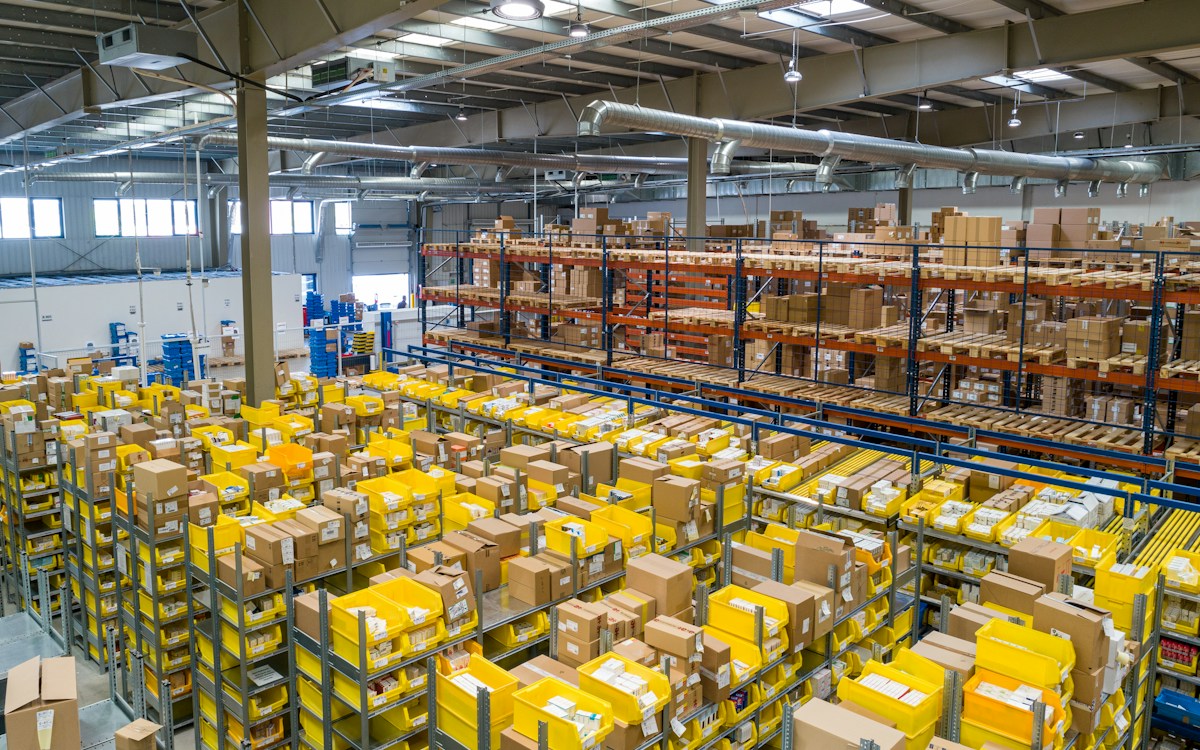
As facilities grow, managing daily operations becomes increasingly complex. What once worked with a small team and a handful of service requests can quickly become difficult to manage when multiple locations, larger teams and higher service demands are involved.
From maintenance requests and inspections to technician scheduling and asset management, facility teams are expected to keep everything running smoothly while maintaining high service standards. However, without proper visibility and control over field operations, inefficiencies can quickly affect productivity, service quality and operational costs.
This is why more organizations are investing in modern Facilities Management App solutions to gain better control over their field operations and support sustainable growth.
Growth Brings Operational Complexity
Expansion is often a sign of success, but it also introduces new challenges.
As facilities grow, managers must oversee larger field teams, more maintenance activities, additional assets and an increasing number of service requests. Coordinating these moving parts using spreadsheets, phone calls, emails or paper-based processes becomes increasingly difficult.
Without centralized visibility, managers may struggle to know which tasks have been completed, which technicians are available or whether critical maintenance activities are being addressed on time.
The result is often slower response times, communication gaps and reduced operational efficiency.
Limited Visibility Creates Bigger Problems
One of the biggest challenges in facility operations is the lack of real-time visibility.
When managers cannot see what is happening in the field, decision-making becomes reactive rather than proactive. Delays in communication can result in missed tasks, unresolved complaints, duplicate work or inefficient resource allocation.
For growing facilities, these issues can quickly multiply.
A Facilities Management App provides real-time updates on work orders, technician activities, inspections and maintenance schedules, allowing managers to stay informed and take action before small problems become major disruptions.
Field Teams Need Better Coordination
Facility operations often depend on technicians, maintenance teams, inspectors and service personnel working across multiple locations.
Without a structured system, coordinating these teams can be challenging. Assignments may be delayed, schedules may overlap and important updates can be missed.
A modern Field Staff Management Application helps streamline team coordination by providing centralized task assignment, status tracking and real-time communication.
Managers can instantly assign jobs, monitor progress and ensure field personnel have the information they need to complete tasks efficiently.
This level of coordination improves productivity while reducing confusion and delays.
Faster Response Times Improve Service Quality
Whether managing commercial buildings, residential properties, healthcare facilities, educational institutions or industrial sites, service quality is directly linked to response times.
When maintenance issues or service requests remain unresolved for extended periods, occupant satisfaction can decline and operational risks may increase.
Better control over field operations enables organizations to respond more quickly to issues as they arise.
With real-time updates, automated notifications, and streamlined workflows, facility teams can address problems faster and ensure that service standards remain consistently high.
Improved responsiveness helps strengthen trust among tenants, occupants, clients and stakeholders.
Preventive Maintenance Becomes Easier
Many facilities still spend significant time reacting to equipment failures rather than preventing them. Reactive maintenance often leads to unexpected downtime, higher repair costs and operational disruptions.
A Facilities Management App allows organizations to schedule, monitor, and manage preventive maintenance activities more effectively. Managers can automate maintenance schedules, track service history and ensure routine inspections are completed on time.
By identifying issues before they become major problems, facilities can reduce downtime, extend asset lifespan and lower maintenance costs.
Real-Time Data Supports Better Decisions
Effective facility management depends on accurate information.
When data is scattered across multiple systems or collected manually, it becomes difficult to identify trends, measure performance and make informed decisions.
Modern facility management platforms provide real-time insights into workforce performance, maintenance activities, asset conditions, service requests and operational efficiency.
This data allows managers to identify bottlenecks, optimize resources, and implement improvements based on actual performance rather than assumptions.
Data-driven decision-making helps facilities operate more efficiently while supporting long-term growth objectives.
Improving Accountability Across Teams
As field teams expand, maintaining accountability becomes increasingly important. Without proper tracking systems, managers may struggle to verify task completion, monitor employee performance, or measure productivity accurately.
A Field Staff Management Application provides transparency into field activities through task tracking, attendance monitoring, location updates and work completion reports.
This visibility helps ensure that responsibilities are clearly assigned and completed according to schedule. Greater accountability often leads to improved performance, stronger teamwork and higher operational standards.
Reducing Operational Costs
Operational inefficiencies often have a direct impact on costs.
Missed maintenance schedules, unnecessary travel, duplicate work, delayed responses and poor resource allocation can increase expenses significantly over time. Better control over field operations helps organizations reduce waste and improve efficiency.
By optimizing scheduling, improving communication, and automating routine processes, facilities can lower operational costs while maintaining high service levels. The financial benefits become even more significant as operations continue to grow.
Supporting Scalable Growth
One of the most important reasons growing facilities need better operational control is scalability. Systems and processes that work for a small operation often struggle as the organization expands.
A modern Facilities Management App provides the structure, visibility and automation needed to support growth without sacrificing efficiency. As service demands increase, managers can continue overseeing operations effectively while maintaining consistent service quality and operational control.
Scalable technology ensures that growth becomes an opportunity rather than a challenge.
The Role of Technology in Modern Facility Management
Today's facility managers are expected to oversee increasingly complex operations while maintaining efficiency and service excellence. Technology plays a critical role in helping organizations meet these expectations.
A powerful Facilities Management App combined with a comprehensive Field Staff Management Application allows organizations to manage work orders, maintenance schedules, inspections, workforce activities, asset tracking and reporting through a centralized platform.
This digital approach reduces manual effort, improves communication and creates greater operational visibility across the entire organization.
Final Thoughts
As facilities continue to grow, maintaining control over field operations becomes more important than ever. Without proper visibility, coordination and accountability, even minor inefficiencies can impact productivity, service quality and profitability.
Modern Facilities Management App solutions provide organizations with the tools needed to streamline operations, improve communication, optimize resources and support long-term growth.
By gaining better control over field operations, facility teams can reduce costs, improve service delivery, enhance accountability and create a more efficient operational environment.
For growing facilities, smarter field operations management is no longer a luxury; it is a necessity for sustainable success.
FAQs
1. Why is field operations control important for growing facilities?
Better control helps improve visibility, coordination, productivity, service quality and overall operational efficiency.
2. What is a Facilities Management App?
A Facilities Management App is a software solution that helps organizations manage maintenance activities, work orders, inspections, assets and field operations from a centralized platform.
3. How does a Field Staff Management Application improve operations?
It helps managers assign tasks, track field employees, monitor progress, improve communication and increase accountability.
4. Can facility management software reduce maintenance costs?
Yes. By supporting preventive maintenance and improving operational efficiency, facilities can reduce unexpected repairs and downtime.
5. How does real-time visibility benefit facility managers?
Real-time visibility allows managers to monitor operations, identify issues quickly, optimize resources and make faster, more informed decisions.