Field service operations in industries like electrical and plumbing are essential for ensuring that customers receive prompt, reliable, and efficient service. These industries face unique challenges-such as managing large teams of technicians, dealing with unpredictable schedules, and handling emergency requests-all while ensuring high-quality customer service and operational efficiency.
In this blog, we will explore effective strategies and tools to optimize field service operations in the electrical and plumbing sectors, driving improved productivity, customer satisfaction, and profitability.
Implement Field Service Management Software (FSM)
Field Service Management (FSM) software is a game-changer in the electrical and plumbing industries. By automating scheduling, dispatching, invoicing, and tracking, FSM solutions can help businesses streamline their operations, reduce administrative overhead, and improve service delivery.
Why It Matters:
- Real-time updates: FSM software provides real-time updates on technician locations, job status, and inventory, allowing managers to make informed decisions.
- Efficiency in scheduling: Automating scheduling and dispatching ensures that the right technician with the right skills is sent to the right job.
- Paperless operations: Eliminates the need for paper forms and manual tracking, improving accuracy and reducing delays.
What to Do:
- Choose an FSM solution that integrates seamlessly with your existing tools, such as inventory management and billing software.
- Implement mobile apps for field technicians to access job details, customer histories, and GPS navigation in real time.
- Automate customer notifications to improve communication regarding job status and expected arrival times.
Optimize Inventory Management
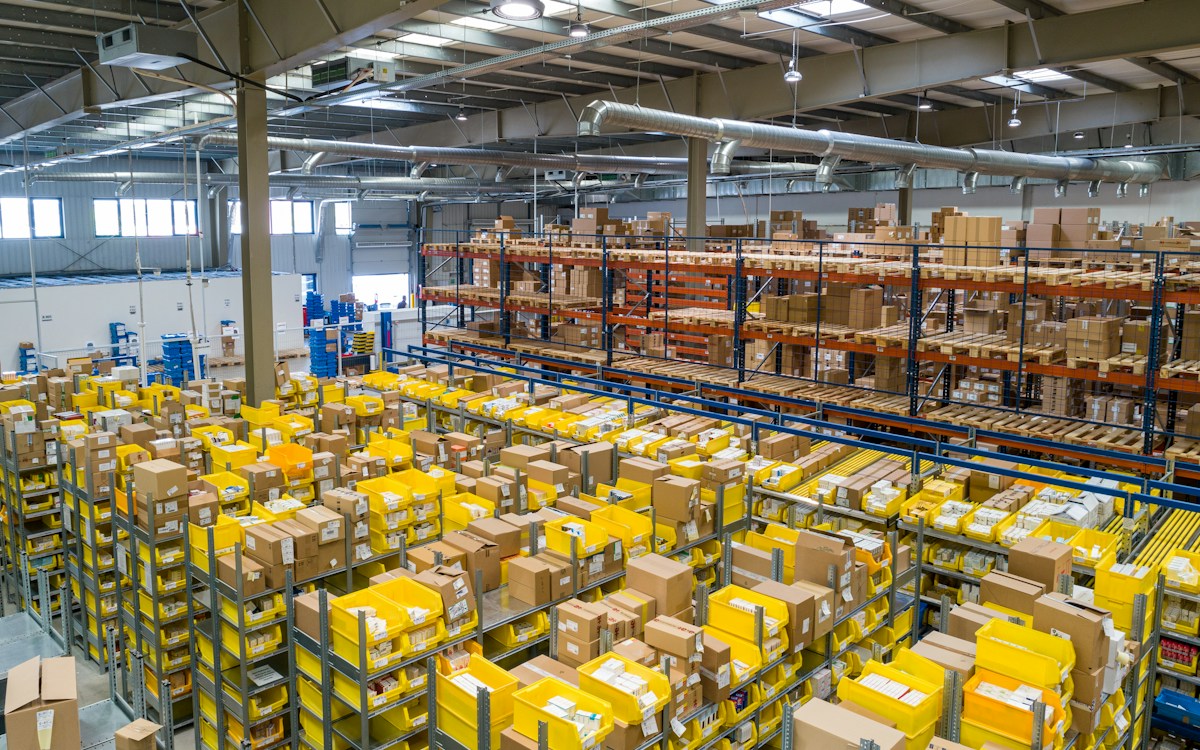
Effective inventory management is crucial in both electrical and plumbing services, where downtime due to a lack of parts or supplies can delay a job and result in lost revenue. Having the right materials available when needed can significantly improve the speed and efficiency of field service operations.
Why It Matters:
- Cost reduction: Proper inventory management helps avoid overstocking or understocking, reducing both operational costs and customer dissatisfaction.
- Faster service delivery: Having the right parts on hand ensures that technicians can complete jobs in a single visit, avoiding return trips.
- Preventive maintenance: Regular inventory checks can ensure that essential tools and materials are always ready for use.
What to Do:
- Use an automated inventory tracking system to monitor parts in real time, track usage, and reorder supplies as needed.
- Implement barcode scanning for real-time updates when parts are used or returned to stock.
- Set up a smart inventory system with predictive analytics to forecast which parts are most likely to be needed, helping to avoid stockouts and backorders.
Invest in Workforce Training and Upskilling
Technicians in the electrical and plumbing industries must be equipped with both technical skills and customer service expertise to provide high-quality service. Ongoing training and upskilling can make a significant difference in workforce productivity, efficiency, and safety.
Why It Matters:
- Higher service quality: Well-trained technicians can complete tasks faster, with fewer errors, and to higher standards.
- Employee satisfaction: Offering opportunities for professional growth enhances job satisfaction, reducing turnover and increasing employee retention.
- Safety compliance: Proper training ensures that technicians adhere to safety protocols, reducing the risk of accidents on the job.
What to Do:
- Implement regular training programs to keep technicians updated on new techniques, safety standards, and industry regulations.
- Offer courses on customer service skills to improve technician interactions with clients.
- Use digital learning platforms to provide on-the-go training and certifications, making it easier for employees to access resources when needed.
Leverage IoT (Internet of Things) for Predictive Maintenance
The Internet of Things (IoT) has proven to be a valuable tool in the electrical and plumbing industries. IoT-enabled devices can monitor the performance of various systems (e.g., HVAC units, water heaters, electrical panels) in real time and alert technicians to potential issues before they escalate into major problems.
Why It Matters:
- Proactive service: IoT devices enable predictive maintenance, allowing businesses to identify and resolve issues before they disrupt the customer.
- Cost savings: Early detection of equipment issues can help businesses avoid expensive repairs and minimize emergency calls.
- Customer loyalty: Offering predictive maintenance services can enhance customer satisfaction by reducing the likelihood of unexpected breakdowns.
What to Do:
- Integrate IoT devices into client systems to monitor real-time performance data and send alerts when maintenance is needed.
- Offer subscription-based predictive maintenance plans to customers to ensure ongoing service and provide a consistent revenue stream.
- Use the data collected from IoT devices to inform future service needs and optimize technician scheduling.
Enhance Customer Communication with Mobile Apps
Effective communication is key to providing excellent service in the electrical and plumbing industries. Mobile apps for customers can streamline communication between field technicians and clients, ensuring transparency and reducing miscommunication.
Why It Matters:
- Better customer experience: Customers can track the status of their service, ask questions, and receive updates in real-time.
- Reduced complaints: Transparent communication around appointment times, delays, and job status can reduce the volume of customer complaints.
- Improved trust: Offering customers visibility into the service process fosters trust and loyalty.
What to Do:
- Provide mobile apps where customers can schedule appointments, track service progress, and provide feedback on completed work.
- Implement messaging features within the app to enable customers to contact technicians directly for updates.
- Allow customers to rate the service and leave reviews, helping to improve your service offerings and technician performance.
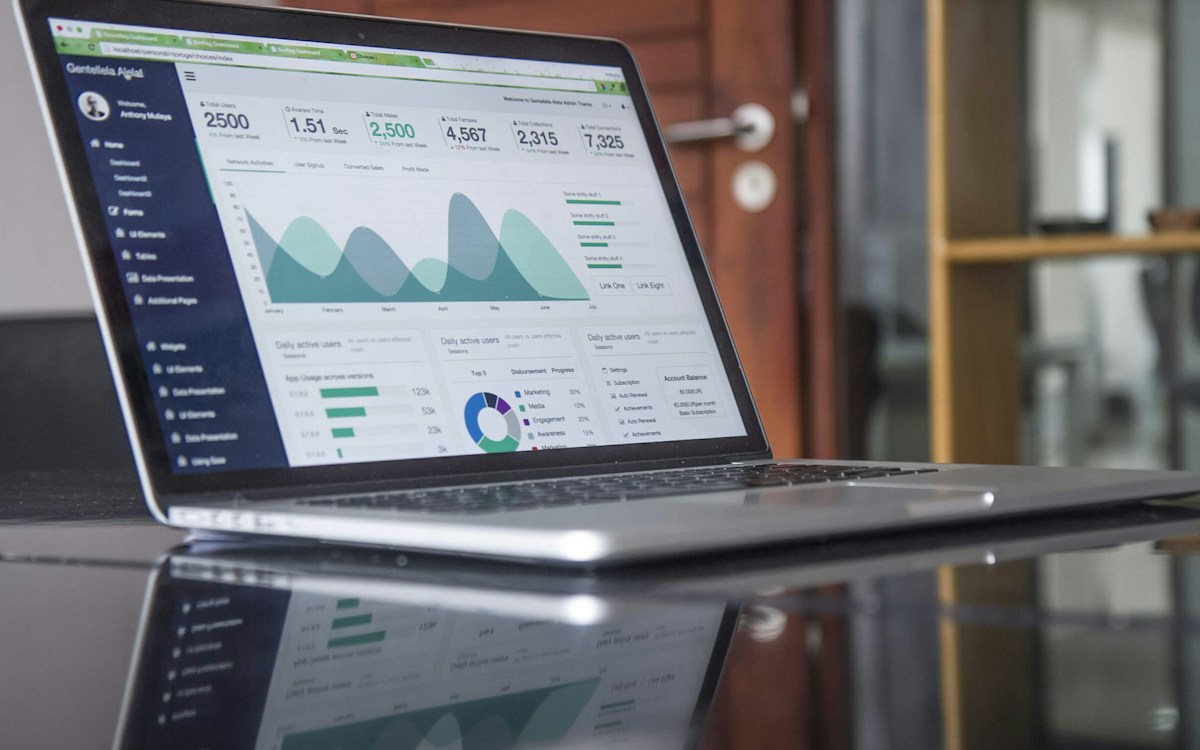
Utilize Data Analytics to Improve Operational Efficiency
Data analytics offers valuable insights into every aspect of field service operations, from technician performance to customer preferences. By analyzing these data points, businesses can identify areas for improvement, optimize resource allocation, and enhance service delivery.
Why It Matters:
- Data-driven decisions: Analytics provide objective insights into areas of improvement, helping to make informed business decisions.
- Resource optimization: Identifying peak service times, geographic demand, and technician performance helps improve scheduling and resource allocation.
- Improved customer satisfaction: By analyzing customer feedback and service history, businesses can personalize services to meet customer needs more effectively.
What to Do:
- Implement data collection and analysis tools to track service requests, technician performance, customer feedback, and inventory levels.
- Use insights from data analytics to refine scheduling, reduce inefficiencies, and provide better customer service.
- Monitor key performance indicators (KPIs) like first-time fix rate, technician response time, and customer satisfaction to continuously improve operations.
Streamline Billing and Invoicing
Manual billing processes in the electrical and plumbing industries can lead to errors, delays, and customer dissatisfaction. Automating billing and invoicing processes not only improves efficiency but also ensures that businesses are paid accurately and on time.
Why It Matters:
- Faster payments: Automation speeds up the invoicing process, ensuring that businesses receive payments quickly.
- Error reduction: Automated billing minimizes the risk of human error in pricing, taxes, and discounts.
- Better cash flow: Efficient invoicing and payment processing help businesses maintain a healthy cash flow.
What to Do:
- Integrate automated billing software with your FSM system to generate and send invoices immediately after job completion.
- Offer multiple payment options such as credit card payments, bank transfers, and online payment gateways to accommodate customer preferences.
- Provide clear, itemized invoices that detail the services rendered, materials used, and total charges, reducing billing disputes.
Final Thoughts
Optimizing field service operations in the electrical and plumbing industries requires a combination of the right technology, efficient processes, and a customer-first mindset. By embracing digital tools such as FSM software, leveraging IoT for predictive maintenance, and improving communication with mobile apps, businesses can increase productivity, reduce costs, and deliver better service to customers.
Investing in these strategies and continually optimizing field operations will ensure that your business stays competitive, delivers high-quality service, and fosters long-term customer loyalty.