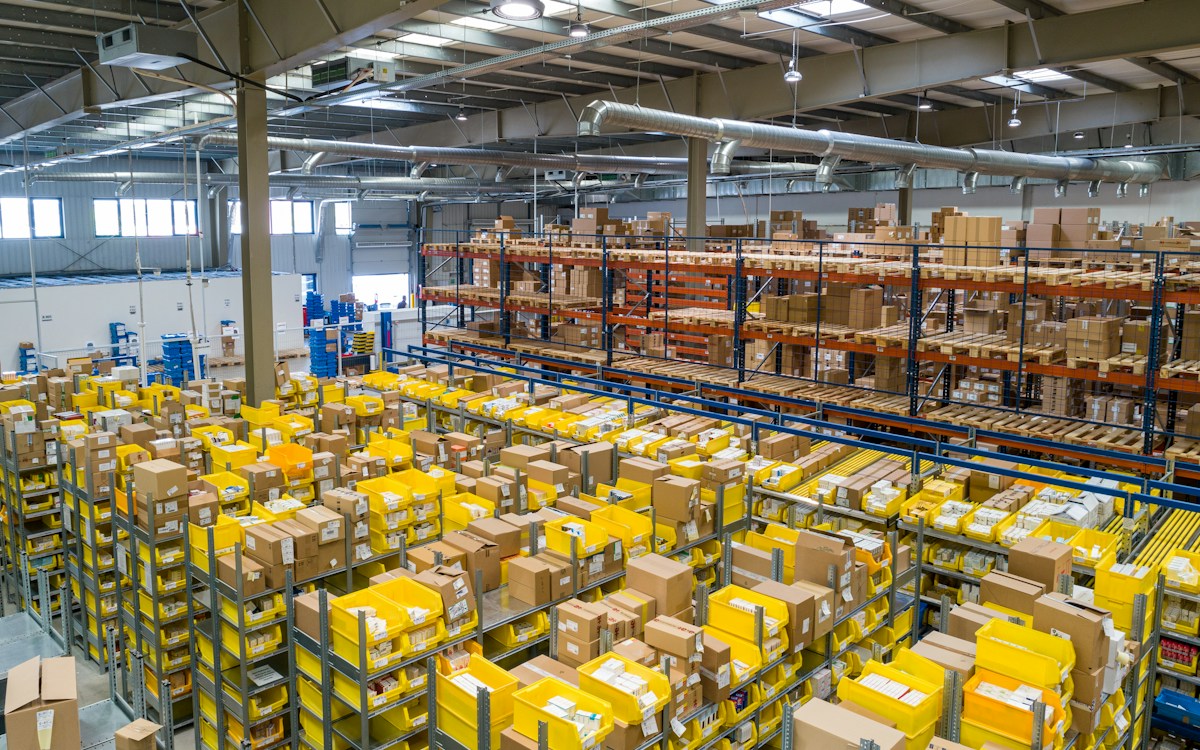
Manufacturing plants depend on equipment that must operate reliably day after day. When a critical machine unexpectedly stops working, production can slow down, orders may be delayed and maintenance costs can quickly increase.
This is why preventive maintenance has become an important part of modern manufacturing operations. Instead of waiting for equipment to fail, businesses can regularly inspect, service and monitor machines to identify potential problems before they cause major disruptions.
A well-planned Scheduled Maintenance Management approach helps manufacturers inspect and service equipment before minor issues become costly breakdowns.
Why Preventive Maintenance Matters in Manufacturing
Unexpected equipment failure can affect much more than a single machine. A breakdown may interrupt an entire production line, create scheduling problems, increase overtime requirements and affect customer deliveries.
Preventive maintenance focuses on keeping equipment in suitable operating condition through planned inspections, servicing, cleaning, calibration and component replacement.
By addressing smaller issues before they become major failures, manufacturers can reduce the risk of costly interruptions and extend the useful life of their equipment.
Create Equipment-Specific Maintenance Schedules
Every machine has different operating requirements. Applying the same maintenance schedule to every piece of equipment may not provide the best results.
Manufacturers should create maintenance schedules based on factors such as:
- Equipment type and age
- Manufacturer recommendations
- Operating hours
- Production workload
- Previous failure history
- Environmental conditions
- Criticality to production
A structured schedule helps maintenance teams know what needs to be inspected and when the work should be completed.
Prioritize Critical Equipment
Not every machine presents the same level of operational risk. A failure in one piece of equipment may have little impact, while another machine could stop an entire production line.
Manufacturers can classify equipment according to its importance and potential impact if it fails. Critical machines can then receive more frequent inspections and closer monitoring.
This approach helps maintenance teams use their resources where they can have the greatest operational impact.
Use Digital Maintenance Checklists
Paper-based checklists can make it difficult to maintain consistent records across large facilities. Digital checklists allow technicians to access assigned maintenance activities from mobile devices and record completed work directly from the plant floor.
They can document inspections, identify problems, add notes, upload photographs and mark tasks as completed without relying on separate paperwork.
This creates a more organised maintenance history and makes it easier for supervisors to review completed activities.
Monitor Equipment Condition Regularly
Preventive maintenance should not depend only on fixed schedules. Regular condition monitoring can provide additional information about how equipment is performing between scheduled maintenance activities.
Depending on the equipment, teams may monitor factors such as temperature, vibration, pressure, noise, energy consumption or operating performance.
Changes in these conditions can provide early indications that equipment requires attention, allowing maintenance teams to investigate before a serious failure occurs.
Improve Technician Coordination
Manufacturing maintenance often involves multiple technicians working across different production areas. Without proper coordination, tasks can be delayed or assigned inefficiently.
A digital maintenance platform can help supervisors assign work based on technician availability, skills, location and equipment requirements.
Technicians can receive work orders, update progress, record maintenance activities and communicate issues from the field. This can make daily maintenance operations more structured and transparent.
Maintain Accurate Equipment Records
A strong maintenance strategy requires reliable historical information. Teams should be able to review previous inspections, repairs, component replacements, recurring problems and maintenance costs for each asset. Digital records make this information easier to access and organise.
When technicians can see previous maintenance history before starting a job, they may be able to identify recurring issues more quickly and make better decisions about the work required.
Keep Spare Parts Available
A maintenance team may identify a problem quickly but still be unable to complete the repair because the required component is unavailable.
Manufacturers can reduce this risk by tracking commonly required spare parts and monitoring inventory levels for critical equipment.
Maintenance history can also help identify which components are replaced most frequently. This information can support better inventory planning and reduce delays caused by missing parts.
Track Maintenance Costs
Preventive maintenance involves ongoing investment, but it can help businesses avoid larger costs associated with major equipment failures.
Manufacturers should track expenses related to labour, spare parts, repairs, inspections and equipment downtime.
Reviewing this information over time can help management understand which assets require excessive maintenance and whether replacing or upgrading certain equipment may be more economical.
Reduce Unplanned Downtime
One of the primary goals of preventive maintenance is reducing unexpected equipment failures.
When inspections and maintenance activities are planned in advance, teams can often schedule work during suitable production windows rather than dealing with emergency breakdowns. This creates greater predictability for both maintenance and production teams.
Connect Maintenance With Field Service Technology
As manufacturing operations become more distributed and technically complex, businesses may need better tools for coordinating technicians, maintenance tasks, equipment information and service activities.
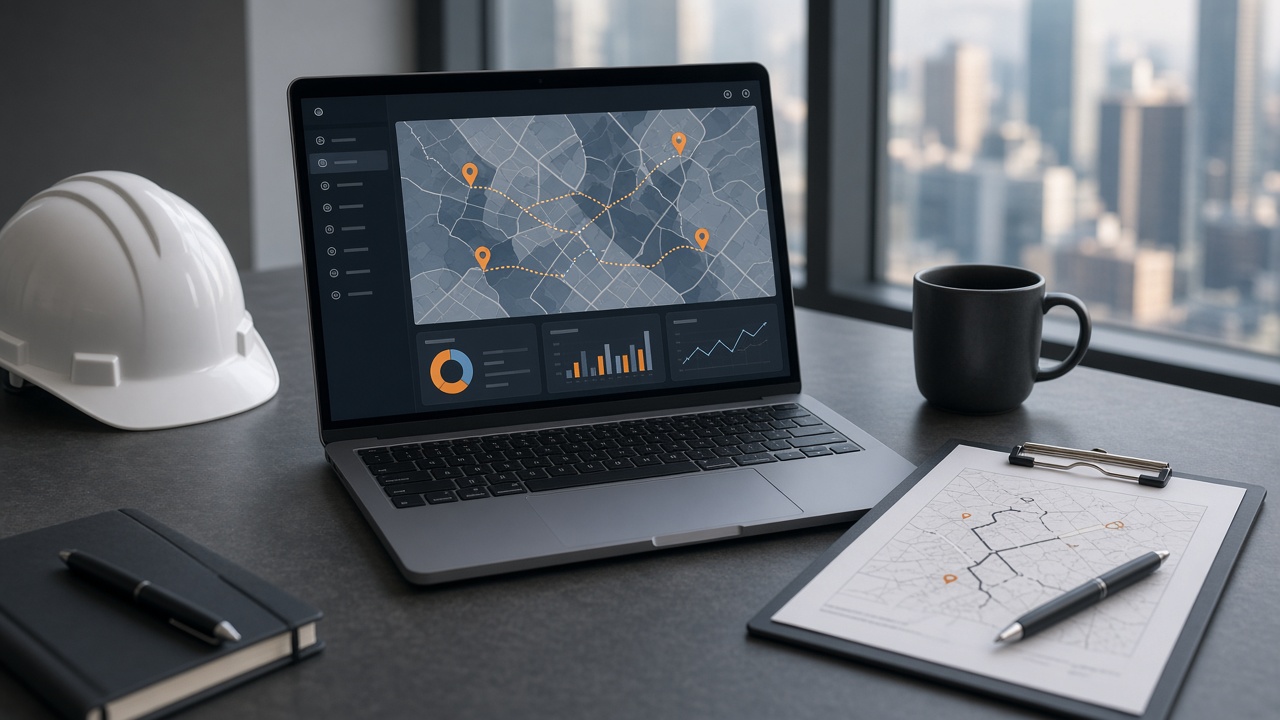
Field Service can help connect these processes through features such as work order management, technician scheduling, mobile task updates, digital checklists, asset records and reporting.
For manufacturing companies with internal maintenance teams or technicians working across multiple facilities, having these activities managed through a connected platform can improve visibility and coordination.
Use Data to Improve Maintenance Decisions
Maintenance data can reveal patterns that are difficult to identify through individual reports.
For example, a particular machine may experience repeated failures after a certain number of operating hours. Another asset may require frequent repairs because of a recurring component issue.
By analysing maintenance records, manufacturers can identify these patterns and adjust maintenance schedules, replacement strategies or equipment usage accordingly.
Over time, this can help move maintenance operations from reactive problem-solving toward more proactive decision-making.
Train Maintenance Teams
Technology alone cannot create an effective preventive maintenance program. Technicians need to understand equipment requirements, inspection procedures, safety practices and the correct use of maintenance tools.
Regular training can help teams identify early warning signs and perform maintenance procedures consistently.
When digital tools are introduced, employees should also receive appropriate training so that reporting and documentation become part of their normal workflow rather than an additional administrative burden.
Review and Improve the Maintenance Strategy
A preventive maintenance plan should not remain unchanged forever. Equipment conditions, production volumes, workloads and failure patterns can change over time.
Manufacturers should regularly review maintenance performance and identify opportunities to improve scheduling, inspection frequency, technician allocation and equipment monitoring.
Metrics such as equipment downtime, maintenance completion rates, repair frequency, response time and maintenance costs can help management evaluate whether the strategy is delivering the expected results.
Final Thoughts
Preventive maintenance is about more than scheduling regular equipment inspections. It requires manufacturers to combine planning, accurate records, technician coordination, equipment monitoring and effective Scheduled Maintenance Management.
With the right processes and digital tools, maintenance teams can identify potential problems earlier, reduce unexpected downtime, improve equipment reliability, and make better use of their resources.
For manufacturing companies looking to modernize maintenance operations, implementing a connected digital solution can be an important step toward building a more efficient and predictable production environment.
FAQs
1. What is preventive maintenance in manufacturing?
Preventive maintenance involves regularly inspecting, servicing and monitoring equipment to reduce the likelihood of unexpected failures and production interruptions.
2. How can preventive maintenance reduce downtime?
It helps identify and address potential equipment problems before they develop into major failures, allowing maintenance work to be planned around production schedules.
3. What should a manufacturing maintenance schedule include?
It can include inspections, cleaning, lubrication, calibration, component replacement, safety checks, equipment testing and other tasks based on individual equipment requirements.
4. Can mobile applications help manufacturing maintenance teams?
Yes. Mobile applications can allow technicians to access work orders, complete checklists, update maintenance status, upload photographs and record service information directly from the plant floor.
5. How can Field Service Management Software support manufacturing maintenance?
It can help manage work orders, technician schedules, asset information, maintenance activities, reporting and field updates through a centralized system.
6. What is the difference between preventive and reactive maintenance?
Preventive maintenance is planned and performed before equipment failure, while reactive maintenance occurs after a machine has already developed a problem or stopped operating.