In today's fast-moving business environment, managing field staff efficiently is no longer optional; it's essential. Whether your team handles installations, maintenance, sales visits, or on-site services, real-time coordination plays a critical role in productivity and customer satisfaction. Businesses are no longer limited to office-based operations and as field activities increase, the need for better control and visibility becomes more important than ever.
Traditional methods like manual scheduling, phone calls and delayed reporting often lead to miscommunication, inefficiencies, and lost time. These outdated approaches may work for small teams, but as operations grow, they create more problems than solutions.
This is where modern field staff management systems step in connecting teams, tasks and results seamlessly in real time. By adopting digital solutions, businesses can eliminate operational gaps and build a more structured and responsive workflow.
What Is Field Staff Management?
Field staff management refers to the process of organizing, tracking and optimizing the work of employees who operate outside the office. This includes assigning tasks, monitoring progress, managing schedules and ensuring timely completion of work. It also involves maintaining clear communication between field teams and managers so that operations run smoothly without delays or confusion.
With digital solutions, businesses can now manage their field workforce through centralized platforms that provide real-time visibility and control. These systems allow managers to monitor activities, track employee performance and ensure that every task is completed efficiently. Instead of relying on manual coordination, businesses can create a streamlined process where everything is connected and accessible from one place.
The Need for Real-Time Connectivity
Field teams often work in dynamic environments where delays and miscommunication can impact performance. Without real-time updates, managers may struggle to track progress and teams may lack clarity on priorities. This can lead to missed deadlines, duplicated efforts and reduced efficiency, which ultimately affects business outcomes.
Real-time connectivity ensures that everyone stays aligned. From task assignment to completion updates, information flows instantly reducing delays and improving coordination. Managers can make quick decisions, reassign tasks if needed and respond to challenges without waiting for manual updates. This level of connectivity creates a more agile and responsive work environment where teams can adapt quickly to changing situations.
Connecting Teams for Better Collaboration
Effective field staff management starts with strong team communication. When teams are not properly connected, even simple tasks can become complicated. Miscommunication can lead to errors, repeated work and unnecessary delays that affect overall productivity.
Digital platforms allow managers and field employees to stay connected through mobile apps, instant updates, and notifications. Teams can receive instructions, share updates, and report issues without delays.
This ensures that everyone has the information they need to perform their tasks efficiently. Better communication also builds trust within the team and creates a more collaborative work culture, where employees feel supported and informed at all times.
Streamlining Task Management
Assigning and tracking tasks manually can lead to errors and inefficiencies, especially when multiple teams and locations are involved. Keeping track of who is doing what, when it is due and whether it has been completed can become overwhelming without the right system in place.
Modern systems simplify this process by automating task allocation and tracking. Managers can assign tasks based on location, priority or availability, ensuring that the right person is assigned to the right job.
Field staff receive real-time updates and can mark tasks as completed instantly. This improves accountability and ensures that no task is overlooked. A streamlined task management system helps businesses maintain consistency and improve overall workflow efficiency.
Real-Time Tracking and Visibility
One of the biggest advantages of digital field staff management is real-time tracking. Without proper visibility, managers often rely on assumptions or delayed reports, which can lead to poor decision-making. Real-time tracking eliminates this uncertainty by providing accurate and up-to-date information.
Businesses can monitor employee locations, track task progress, and measure performance as it happens. Features like live onsite attendance tracking provide accurate insights into work hours and on-site presence.
This visibility helps managers make quick decisions, optimize routes, and improve overall efficiency. It also ensures transparency, as both managers and employees have a clear understanding of expectations and performance.
Improving Productivity and Efficiency
When teams are connected and tasks are clearly defined, productivity naturally improves. Field staff spend less time on coordination and more time on actual work. They no longer need to wait for instructions or clarification, as everything is available in real time through digital platforms.
Automated workflows reduce manual effort, while real-time data helps identify inefficiencies and optimize operations. Managers can track performance, identify delays and take corrective actions immediately.
This leads to faster service delivery and better resource utilization. Over time, improved efficiency contributes to higher profitability and better business outcomes.
Enhancing Customer Experience
Efficient field staff management directly impacts customer satisfaction. In today's competitive market, customers expect quick responses, accurate timelines and reliable service. Any delay or miscommunication can affect their experience and reduce trust in the business.
With real-time updates, businesses can provide accurate service timelines, reduce delays and respond quickly to customer needs. Faster and more reliable service builds trust and strengthens customer relationships. When customers see that a business is organized and responsive, they are more likely to remain loyal and recommend the service to others.
Data-Driven Decision Making
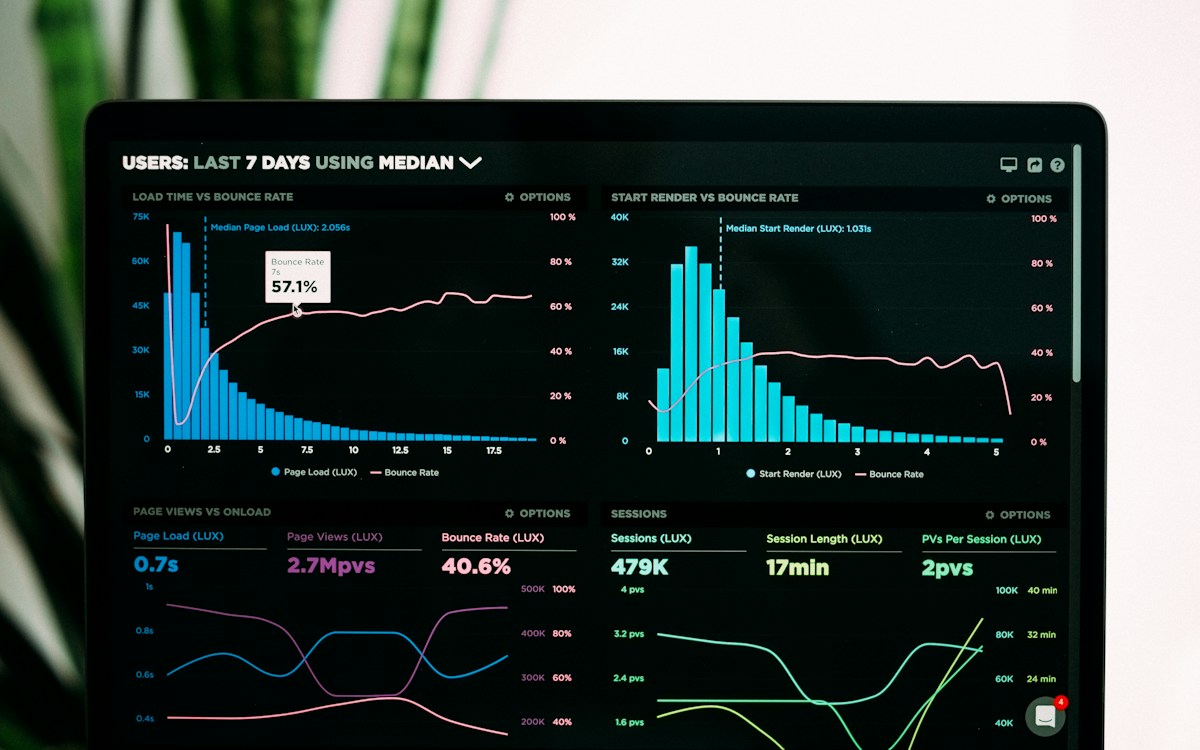
Modern field management systems generate valuable data and insights that help businesses make better decisions. Instead of relying on guesswork, managers can use real data to understand performance and identify areas for improvement.
By analyzing task completion rates, employee productivity, and operational trends, businesses can optimize their processes and improve efficiency. Data-driven decision making allows organizations to continuously refine their strategies and achieve better results over time. It also helps in setting realistic goals and measuring progress effectively.
Scalability for Growing Businesses
As businesses expand, managing field operations becomes more complex. More employees, tasks and locations can create challenges in coordination and control. Without a proper system, growth can lead to inefficiencies and operational issues.
Digital solutions make it easier to scale without losing control. New team members, tasks, and locations can be added seamlessly, while maintaining efficiency and consistency across operations. This scalability ensures that businesses can grow confidently without compromising on performance or service quality.
Final Thoughts
Field staff management is no longer just about assigning tasks, it's about creating a connected ecosystem where teams, tasks and results work together in real time. Businesses that continue to rely on manual processes may struggle to keep up with increasing demands and customer expectations.
By adopting modern management systems, organizations can improve efficiency, enhance visibility, and deliver better customer experiences. Real-time connectivity, better communication and data-driven insights create a strong foundation for long-term success.
In a competitive market, staying connected is not just an advantage, it is a necessity. Businesses that invest in effective field staff management are better positioned to achieve operational excellence and sustainable growth.
FAQs
- What is field staff management?
It is the process of managing and tracking employees who work outside the office, including task assignment and performance monitoring.
- Why is real-time connectivity important?
It ensures faster communication, better coordination and improved decision-making.
- How does it improve productivity?
It reduces manual work, streamlines communication and helps teams focus on completing tasks efficiently.
- What tools are used for field staff management?
Mobile apps, tracking systems, and automated task management platforms are commonly used.
- Can small businesses use field staff management systems?
Yes, these systems help businesses of all sizes improve efficiency and manage operations more effectively.