In today's fast-growing and competitive Indian market, small and medium-sized enterprises (SMEs) face constant pressure to deliver faster service, manage teams efficiently and keep customers satisfied. Managing service operations manually using calls, spreadsheets, or paper records often leads to delays, errors and poor customer experience. This is where a Service Management App becomes a game changer for Indian SMEs.
A service management app helps businesses manage service requests, assign tasks, track field staff and monitor performance all from a single digital platform. Let's understand what it is, why it's important and how it benefits Indian SMEs.
What Is a Service Management App?
A Service Management App is a digital solution designed to help businesses plan, execute, and monitor service-related operations. It allows companies to manage customer requests, schedule jobs, assign technicians, track attendance and locations and generate reports in real time.
For Indian SMEs operating in sectors like field services, maintenance, logistics, facility management, utilities, installation and repairs, such apps simplify daily operations and reduce dependency on manual processes.
Why Indian SMEs Need a Service Management App
Indian SMEs often operate with limited resources and tight margins. Common challenges include delayed service delivery, poor coordination between office and field teams, lack of real-time visibility and customer dissatisfaction. A service management app addresses these issues by automating workflows and providing better control over operations.
With increasing competition and rising customer expectations, adopting digital tools is no longer optional; it's essential for sustainable growth.
Top Benefits of Using a Service Management App for Indian SMEs
1. Improved Service Efficiency
A service management app helps SMEs streamline job scheduling, task assignments, and service execution. Managers can assign tasks instantly and technicians receive real-time updates, reducing delays and miscommunication.
2. Better Field Staff Management
Managing field employees is one of the biggest challenges for SMEs. With features like live location tracking, attendance monitoring and task status updates, businesses can ensure technicians are working at assigned locations and completing jobs on time.
3. Real-Time Visibility and Control
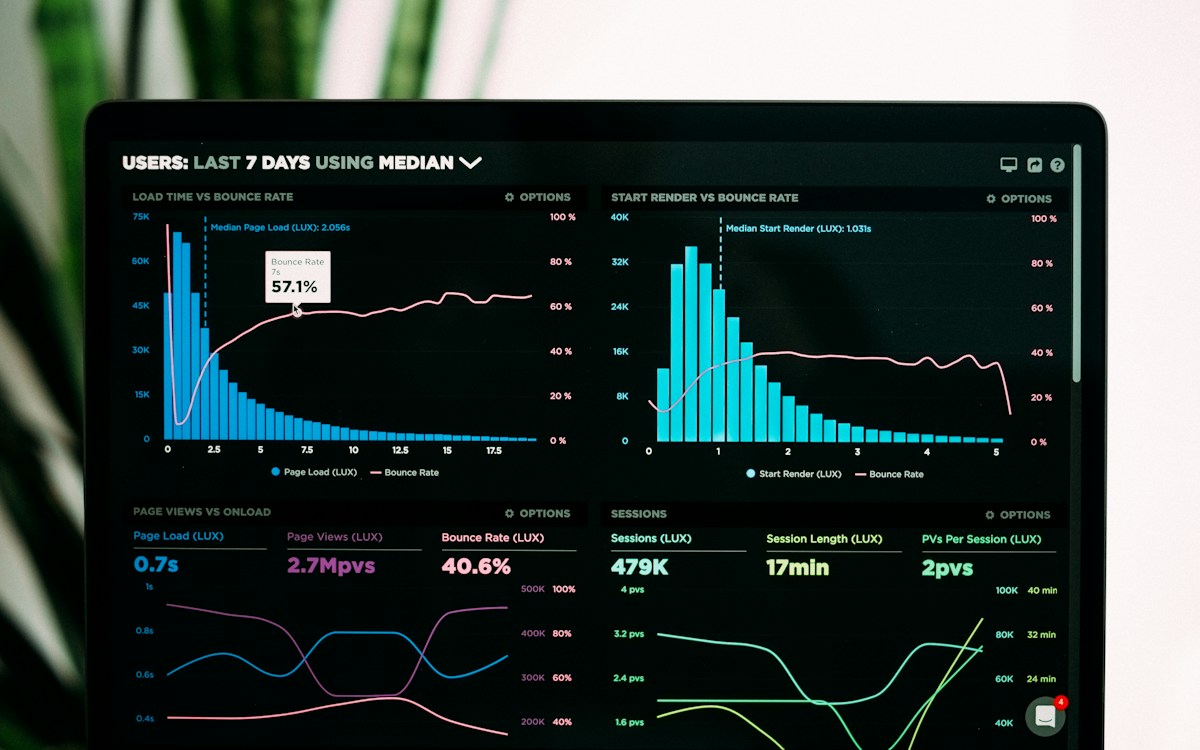
Service management apps provide dashboards and reports that give business owners complete visibility into ongoing jobs, pending requests and employee performance. This helps in faster decision-making and better resource allocation.
4. Increased Customer Satisfaction
Faster response times, accurate service updates, and timely job completion lead to happier customers. Many apps also allow customers to track service requests, improving transparency and trust.
5. Reduced Operational Costs
By automating manual processes, reducing paperwork and minimizing errors, SMEs can significantly lower operational expenses. Optimized routes and better workforce utilization also help save fuel and time.
6. Accurate Billing and Payments
Service management apps help generate invoices automatically based on completed jobs, reducing billing errors and payment delays. This improves cash flow, a critical factor for Indian SMEs.
7. Data-Driven Decision Making
Detailed reports and analytics help SMEs understand service trends, employee productivity and customer behavior. This data allows businesses to improve processes and plan growth strategies effectively.
8. Scalability for Business Growth
As SMEs grow, managing operations manually becomes difficult. A service management app scales easily with business expansion, allowing companies to handle more customers, jobs and employees without chaos.
9. Compliance and Record Management
Digital records of attendance, service history, invoices and customer details help businesses stay compliant and audit-ready, reducing legal and operational risks.
10. Competitive Advantage
SMEs using service management apps deliver faster, more reliable services compared to competitors still relying on traditional methods. This gives them a strong edge in the market.
How a Service Management App Transforms Indian SMEs
By integrating service requests, workforce management, attendance tracking, billing and reporting into one platform, a service management app transforms the way Indian SMEs operate. It reduces manual effort, improves accountability, enhances customer experience, and supports long-term growth.
Conclusion
For Indian SMEs, a service management app is no longer a luxury, it is a necessity. By improving productivity, reducing costs, enhancing customer experience and providing real-time visibility, these apps empower businesses to operate efficiently and grow sustainably.
Investing in a service management app helps Indian SMEs streamline operations, eliminate manual errors, and stay competitive in a rapidly evolving digital economy.
FAQs
1. What is a Service Management App?
A Service Management App is a digital tool that helps businesses manage service requests, assign tasks, track employees, and monitor operations in real time.
2. Why do Indian SMEs need a Service Management App?
SMEs face challenges like delayed service, poor coordination, and limited visibility. A service management app automates processes, reduces errors, and improves efficiency.
3. Can a Service Management App improve customer satisfaction?
Yes. Faster response times, real-time updates, and timely service delivery lead to happier customers and improved trust.
4. How does a Service Management App help manage field staff?
It provides features like live location tracking, attendance monitoring, and task updates, ensuring field employees are working efficiently and completing jobs on time.
5. Is it cost-effective for small businesses?
Absolutely. By reducing manual work, paperwork, and errors, SMEs can lower operational costs and optimize resources.